Studio Lot or Found Location: Two Ways to Build a Southern Setting
Compare a studio lot and a found location for a Southern setting by weighing control, texture, access, and the story each choice can quietly suggest.
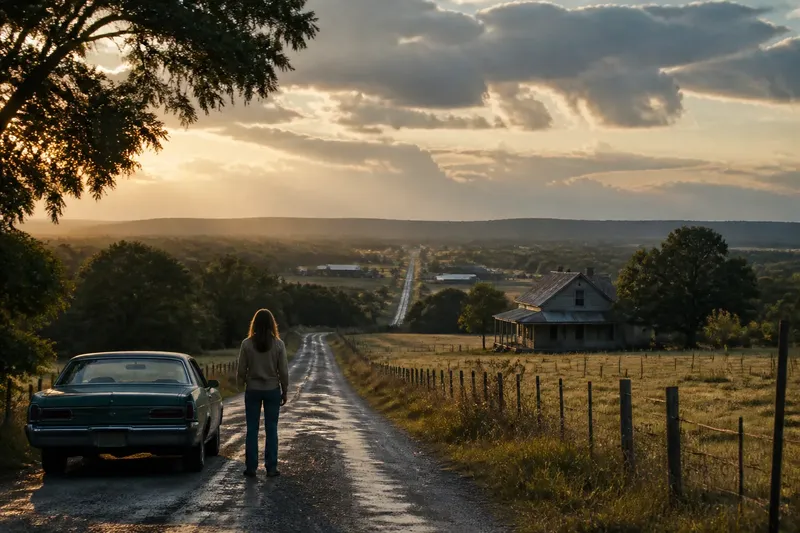
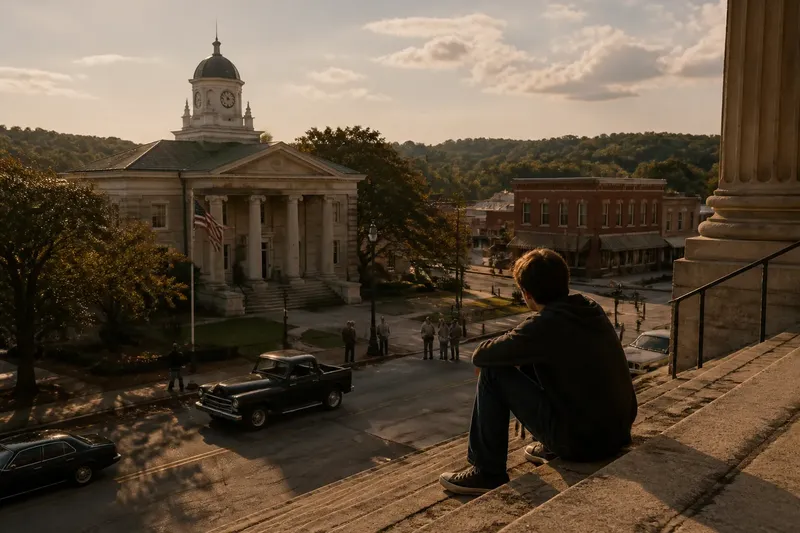
Choosing a studio lot or found location for a Southern setting can stall when the script needs a place that feels specific, but the production cannot control every condition on site. A courthouse square, pine road, or modest kitchen carries visual cues before a character speaks; the question is which cues serve the scene and which will get in its way.
Neither option owns authenticity. A built set can make a fictional town coherent, while an existing place can bring its own wear, layout, and history. Treat the choice as a production problem with artistic consequences: identify what is not working, find its cause, then adjust the setting or the plan.
When a location looks right but cannot support the scene
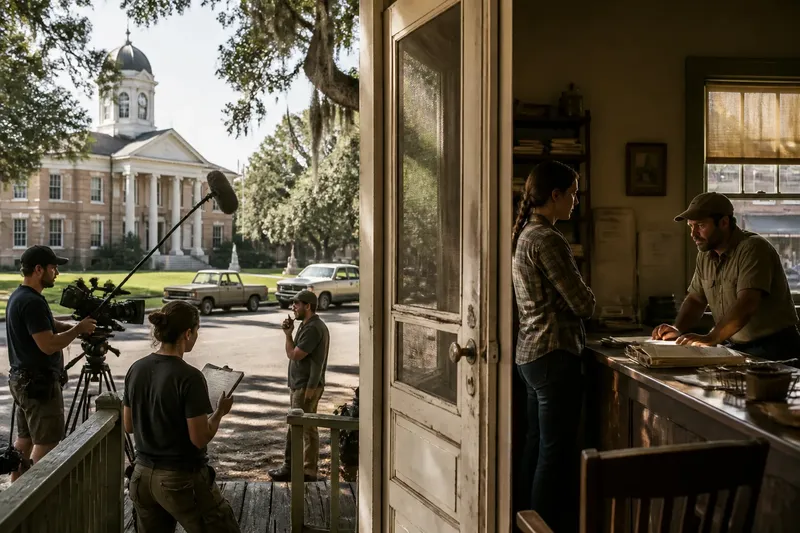
A found location may have the right porch, storefront, or roadside shape and still fail once the scene is blocked. A narrow doorway can limit camera placement; a live road can bring traffic noise, and a beautiful window may send changing glare across a close-up.
The cause is often a scout focused on the establishing view rather than the full sequence. Walk the actors’ route, mark likely camera positions, and listen from the spots where dialogue will happen. Check where equipment, crew, and background performers could stand without disrupting the action.
If a small number of details make the place useful, ask whether they can be recreated on a controlled set. A production might use a found building’s exterior and build one interior that preserves the doorway proportions and window placement. That split can retain the place’s outline without forcing every shot into a difficult room.
Choose the location for the scene’s working geometry, not just its first impression.
When a constructed set feels too smooth
A set can offer reliable access and deliberate camera angles, yet read as generic if every surface is clean, evenly worn, or arranged for a wide shot. In a Southern story, a porch or small-town office can become a shorthand image rather than a lived-in place when its details appear chosen only to signal region.
This usually happens when visual decisions are made as a bundle: one style of siding, one familiar prop, one broad color scheme. Instead, decide what this particular place has been used for. A screen door repaired at the latch, a chair kept near a shaded wall, or a counter cleared for paperwork can communicate use through practical choices rather than regional decoration.
Give the set a history that affects present action. Ask what people in the scene touch, avoid, maintain, or have moved. Use wear where repeated behavior would plausibly create it, and leave other surfaces plain. Texture becomes more convincing when it follows the scene’s routines.
Let props and wear explain behavior, not announce a stereotype.
When the setting suggests a story the film does not mean
Existing places arrive with visible signals: a grand façade may suggest civic authority, a neglected storefront may imply decline, and a church sign may point viewers toward a community role. A set can introduce the same signals by design. Either choice can unintentionally narrow a region or make a character’s circumstances seem predetermined.
The cause is often an image that has not been checked against the scene’s point of view. Ask what a viewer could reasonably infer from the frame alone. If a weathered building is meant to suggest a family’s affection for home, but the blocking makes it look abandoned, adjust the composition or give the characters a small, specific interaction with the space.
Say a fictional family scene is planned for a vacant roadside shop because its faded sign fits the script. If the scene is about the owner’s careful preparation for a return visit, the empty shelves may imply a different story. The crew could dress only the visible counter with the owner’s sorted papers and position the camera to show the repaired door; the expected result is a frame that keeps the shop’s age while making care legible.
Review the setting’s implied story alongside the dialogue, not after the cut is assembled.
When site access disrupts the production plan
A found location may be available only during certain hours, have limited parking, or require the crew to work around occupants and neighbors. These constraints can change the sound plan, blocking, and schedule. A set offers more control over access, but it also requires space, construction time, and coordinated work by the art department.
Problems arise when access is treated as a yes-or-no question. Before committing, list the scenes that depend on the site, the hours those scenes need, and the practical conditions each requires. Confirm permission, restrictions, and any local requirements with the appropriate property representative or production professional; do not assume a scout’s informal approval covers filming.
If the location can support only part of the work, separate the essential views from the flexible ones. Capture the exterior when access is easiest, then consider a controlled interior for dialogue or repeatable coverage. If the setting depends on a continuous view from outside to inside, that split may be more disruptive than building the sequence together.
Match the access plan to the shots the story actually needs.
When sound and light refuse to stay consistent
Outdoor sound can change with wind, traffic, insects, or nearby activity, while daylight shifts across a scene. Interiors in existing buildings can also bring humming appliances, echo, or uneven light. On a set, the crew can shape conditions more closely, but a room designed only for appearance may still create awkward sound or lighting problems.
The cause is often a mismatch between the desired coverage and the location’s natural conditions. During a scout, listen with the doors and windows in the positions the scene requires. Note which windows affect the frame, whether the conversation must be recorded in a quiet interval, and whether the scene needs continuity across several setups.
For a location, a production may reduce the number of angles, schedule around predictable interruptions, or record a separate clean room tone when appropriate. On a set, the team can plan wall openings, practical fixtures, and surfaces around camera and sound needs. In both cases, decide early which imperfections can remain and which would make the scene hard to follow.
Keep a short scout note for each scene: sound risks, light changes, and the coverage each space can handle.
How should a production choose between a set and a location?
Which choice gives the director more control?
A set generally allows more control over access, layout, and repeatable conditions. A location can still support precise work, but its existing boundaries and activity may limit camera placement or timing.
Does a real Southern location look more authentic?
Not automatically. A real place contributes particular surfaces and spatial relationships, while a designed set can express a fictional community with careful, consistent details. The scene’s specificity matters more than whether the walls were already there.
Can a production combine a set and a found location?
Yes, if the transition between them suits the scene and can be made visually coherent. Keep shared details such as doorway proportions, paint, and window position consistent, and decide which views must connect directly.
What should a scout evaluate before a location is selected?
Walk the scene’s action, check camera and crew space, listen for interruptions, observe changing light, and clarify access conditions. Also ask what the place’s visible details imply about the people who use it.
Make the choice around the scene’s demands
Write down the scene’s nonnegotiable needs before deciding: a continuous path through rooms, a quiet exchange, a broad exterior view, or a carefully controlled background. Then compare each option against those needs, including what must be changed, what can remain, and what the production cannot control.
A found location often earns its place through details that would be difficult to invent, while a studio lot earns its place when repeatable conditions or precise spatial design matter more. A hybrid can work when the story benefits from both, but it needs a visual plan that makes the pieces feel like one setting.
For a Southern setting, the useful question is not which choice looks more real. It is what the chosen space allows the characters to do, what it suggests about their lives, and whether the crew can capture that meaning clearly. Make that decision on the scout, before the setting’s practical limits become the scene’s story.