How Southern Films Traveled From Local Theaters to Home Screens
Trace how Southern films reached viewers through local theaters, touring programs, television, home video, and digital services—and find hard-to-locate titles.
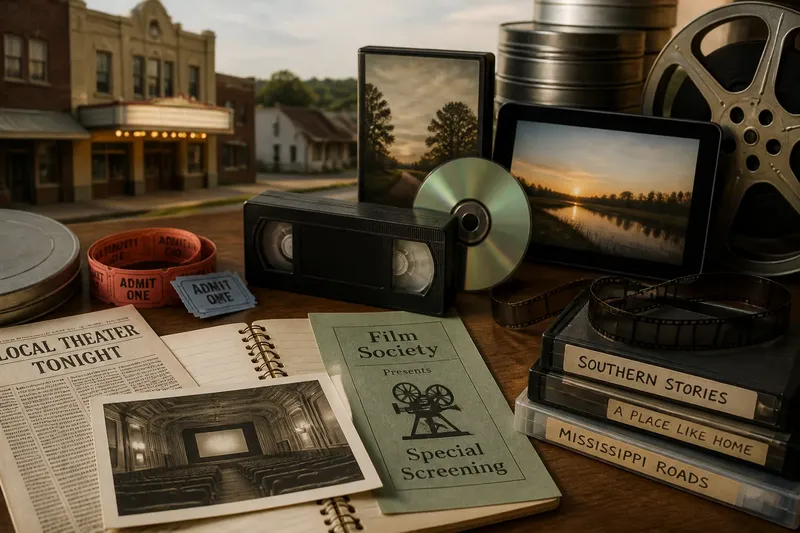
How did Southern films reach audiences as moviegoing shifted from neighborhood theaters to home screens? The history of Southern film distribution is a history of booking routes, exhibition venues, and the practical work of keeping a title available.
There was no single path from a local screening to a national audience. Commercial bookings, traveling programs, television schedules, libraries, and online listings each offered different ways to circulate a film. Their importance varied by period, location, and the organizations involved, so the account below describes distribution routes rather than claiming that every Southern community followed the same pattern.
Local theaters depended on bookings and access to prints
In the United States, commercial theaters generally relied on distributors to supply films and arrange bookings. A theater’s location mattered, but so did its access to titles, the terms on which they were offered, and the schedule competing releases required. Those arrangements shaped what audiences could see; they do not support a single account of every regional picture house.
For a Southern film with a limited release, reaching a town could require a local theater to book it or an organizer to arrange another venue. A title might play briefly, arrive after its initial publicity, or never reach a particular screen. The practical question was not simply whether a film existed, but whether a copy and a booking route brought it within reach.
Keep the distinction clear: a film’s production location does not tell you how widely it was distributed.
Touring programs and repertory bookings created other routes
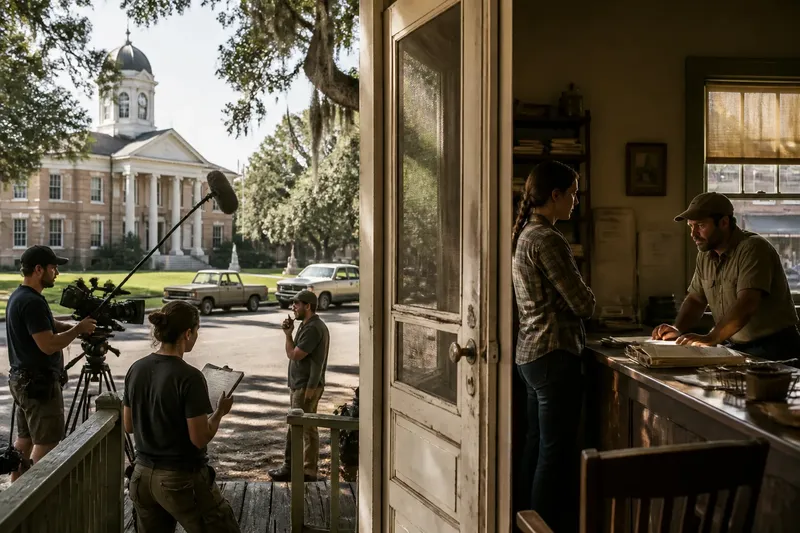
Filmmakers, film societies, schools, museums, and community organizations could arrange screenings outside a regular commercial booking. Touring programs carried films between venues; repertory programs placed older or less widely circulated work back on a schedule. These routes depended on an organizer, a suitable copy, a venue, and permission to show the film.
For distribution history, the value of such a screening is concrete: it creates another point of access when ordinary theater bookings are absent. A program listing, venue calendar, or archive record can help establish where and when a film was shown. Without that documentation, it is better to describe a screening route as possible than to imply it reached a broad audience.
Television made access depend on broadcasters
Television gave films a route into homes without requiring a theater in each community. Viewers still depended on a broadcaster choosing the title and placing it in a schedule. A broadcast could reach people far from the film’s production region, but availability at a particular time and place was not the same as an open-ended release.
Television records can help trace that route. Newspaper listings, station schedules, and broadcast logs may identify a title and its air date, while the absence of a listing does not establish that a film was never shown. When describing a broadcast, name the station or market only when a reliable record supports it.
Home video let copies circulate through stores and collections
Videocassettes and later disc formats made films available through rental stores, retail, libraries, and educational collections. Each channel had its own limits: a store could carry only the titles it stocked, a library depended on its holdings, and an educational copy might be available under specific lending or classroom terms.
Catalogs and surviving packaging can provide clues about a home-video release. A listing may show that a copy was offered, but not how many people watched it or how widely it circulated. Keep claims about release and claims about audience reach separate.
Digital services reduce shipping but do not settle discoverability
Online distribution can make a film available without moving a physical print or disc to every viewer. A title may appear on a streaming service, a filmmaker’s site, a digital rental storefront, or an archive’s viewing platform. Each option depends on rights, technical access, and the availability of a legitimate copy.
Being listed online does not mean a film is easy to find. Search terms, catalog descriptions, rights arrangements, and a platform’s interface all affect whether a viewer reaches it. A useful search may include the director, production company, alternate title, or year if those details are known, but treat catalog information as a lead to verify rather than a complete distribution history.
How can you trace a Southern film’s distribution history?
Where should you look for a theatrical release record?
Start with contemporary newspaper listings, theater advertisements, trade coverage, and distributor records where accessible. These can support a claim that a film was booked or advertised in a particular place, but an advertisement alone does not prove how long it played or how many people attended.
Can a library or archive help locate a copy?
Check public library catalogs, university collections, regional archives, and museum databases for a disc, viewing copy, or screening notice. Ask about access conditions before traveling or requesting a showing, since a catalog entry does not necessarily mean the item is available for public viewing.
How do you check whether a film is streaming?
Search the title and director on legitimate streaming services, digital rental storefronts, and the filmmaker’s or distributor’s official page. Listings change as rights change, so confirm availability on the service itself before planning a viewing.
What if the records disagree?
Record what each source actually says and keep the claim narrow: one source may document a booking, another a broadcast, and neither may establish broader circulation. If you cannot resolve a discrepancy, describe it as an uncertainty rather than choosing the version that sounds most complete.
A careful search checklist separates availability from evidence
- Check a library catalog for a listed disc or digital copy; if it is available to borrow, follow the lending terms, and if it is not, ask about interlibrary loan or another branch.
- Check an archive or museum collection page for a viewing copy or scheduled screening; if public access is stated, confirm the conditions, and if access is restricted, ask whether a public program is planned.
- Check newspaper databases for a theater advertisement or listing; if the title and venue appear, record that limited evidence, and if they do not, search alternate titles and nearby publication dates before concluding the record is missing.
- Check broadcaster schedules or station records for an air date; if a listing names the film, cite the station and date, and if the record is incomplete, avoid claiming a confirmed broadcast.
- Check official filmmaker or distributor pages for current digital access; if a legitimate viewing link is active, use that route, and if it is absent, contact the rights holder or check a library and archive.
- Check a festival archive or film-society calendar for a past screening; if a venue and date are documented, add that event to the distribution timeline, and if only a general program description survives, state that the exact screening details remain unclear.
A worked search shows how to keep claims precise
Imagine you are tracing an invented Southern drama called River Road Letters, and your starting inputs are only its title and a director’s name. First, you search a public library catalog and find no entry; the result is that this catalog has no listed copy, not proof that no copy exists. You then search a regional archive and find a program page naming the film and a past screening venue; that supports a claim that the archive program scheduled it, but not a claim about attendance.
Next, you search a newspaper database using the title and director and find an advertisement naming a local theater. You can add a documented theater booking to your timeline, while leaving the length of the run unknown. Finally, you check the director’s official page and find no current streaming link; your answer is that you have not located an authorized online option through those sources, so you would check the distributor or rights holder before concluding that none exists.
Distribution records show where access was possible
A local booking, touring event, television listing, home-video catalog entry, or digital listing documents a particular route—not the full size or character of an audience. For Southern films, keeping those distinctions visible makes distribution history more useful: readers can see what the evidence establishes and where the record leaves questions open.
When you search for a Southern film, use its title and director to check archives, libraries, contemporary listings, and official distributor pages. That route can help you locate a legitimate copy while building a more precise account of how the film traveled from a local screen to home viewing.